Grade 5, Science Olympiad (CBSE) - Respiration in animals
Try free sample papers for Olympiads
Grade 5 | Science | Respiration in animals, Animals and Birds, Olympiad, CBSE, ICSE, Maths Olympiad, Science Olympiad, English Olympiad
Respiration in Animals and Insects
All mammals, birds and reptiles breathe through lungs. There are some animals which live in water or spend most of their time in the water but are actually mammals and breathe through lungs. E.g. Whales, dolphins, sea lions, crocodiles etc.
Aquatic animals breathe through gills. E.g. Fishes, octopus etc
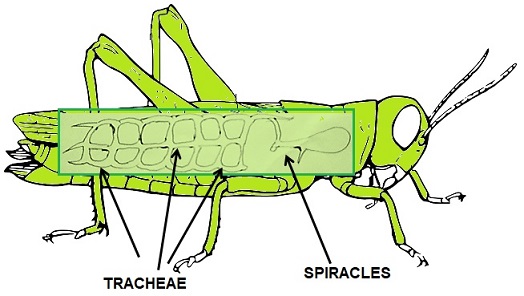
Tracheael Breathing : Insects also need oxygen for their survival but they don't have lungs like humans and other animals. Insects and some other animals without backbones breathe through a system or network of tiny tubes called tracheae. Their bodies have small holes on their body which are connected to tracheae. These holes are called spiracles. Insects take in oxygen and give out carbon-dioxide. This process of gas exchange in insects is called diffusion.
Important concepts:
- Mammals breathe through lungs. This includes most terrestrial animals and some aquatic animals as well, like whales and dolphins.
- Birds and reptiles also breathe through lungs.
- Aquatic animals breathe through gills or skin.
- Amphibians breathe through skin and gills at the beginning of their life cycle. At later stages of their lifecycle, they breathe through lungs and moist skin. Amphibians like frogs in their early stages breathe through skin and gills. In later stages, they breathe through skin and lungs.
- Animals which breathe through skin have moist and slimy skin.
- Earthworms and other worms breathe through skins.
- Crabs are of many types. Aquatic crabs breathe through gills and coconut crabs breathe through lungs.
Get me the extra edge for Olympiads Exams